
All your healing starts with you, but that doesn't mean you heal alone. Be held while you do the work XX Ātahu
All About Essential Oils
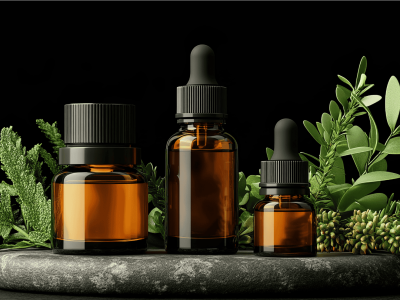
Here is where you can learn all about different essential oils, their properties and traditional uses.

Amyris
Balsam Fir
Basil
Bay
Bergamot
Bitter Orange
Black Pepper
Black Spruce
Buddha Wood
Calendula
Camphor
Cardamom
Carrot Seed
Cassia
Cedarwood
Chamomile
Citronella
Clary Sage
Clove
Copaiba
Cypress
Eucalyptus
Fennel
Frankincense
Geranium
Ginger
Grapefruit
Hyssop
Juniper
Lavender
Lemon
Lemongrass
Marjoram
Myrrh
Neroli
Nutmeg
Oregano
Palo Santo
Parsley
Patchouli
Peppermint
Pine
Rose
Rosehip
Rosemary
Rosewood
Sandalwood
Spearmint
Star Anise
Sweet Orange
Teatree
Thyme
Turmeric
Valerian
Vanilla
Vetiver
White Sage
Wintergreen
Yarrow
Ylang Ylang
Amyris
What is this oil most often used for?
Grounding, calming, clearing negative energy, emotional healing, awareness, peace, mediation.
Traditional and historical use: Amyris (West Indian Sandalwood) was used by indigenous Caribbean communities for its antiseptic, calming, and respiratory properties, treating wounds, soothing coughs, and aiding meditation, while its resinous wood served as a long-burning torch, earning it the nickname “Torchwood”.
Scent profile: Woody, sweet, slightly spicy.
Warnings: Always patch test before use.
What Ātahu blends contain this oil?
Surrender. Sleep, Forgive. Root Chakra. Healing. Sacred Masculine Enhance. Mana Enhance.
Balsam Fir
What is this oil most often used for?
Uplift spirit, mental clarity, breath, infection, wound healing, skin, antiseptic.
Traditional and historical use:
Balsam fir was a vital resource for Indigenous peoples and early settlers, used medicinally for coughs, colds, wounds (especially its antiseptic resin), and respiratory issues; culinarily for teas from needles/inner bark; and practically for waterproofing canoes, as glue, and for spiritual purification through smoke, showcasing its versatility as a natural remedy and tool.
Scent profile: Rich, strong, woody, pine.
Warnings: Always patch test before use. Must use diluted. Can be respiratory irritant.
What Ātahu blends contain this oil?
Nil
Basil
What is this oil most often used for?
Clarity, energise mind, uplift mood, spiritual awareness, stability, stress, grounding, connection, love.
Traditional and historical use:
Basil essential oil was utilised for its stimulating, uplifting, and clarifying properties, treating headaches, nausea, and mental fatigue, while its anti-inflammatory and antimicrobial qualities addressed skin issues, muscle pain, and infections. It also held spiritual significance, used for purification, protection in the afterlife, and symbolized love in European folklore.
Scent profile: Fresh, sweet, and herbaceous
Warnings: Not recommended during pregnancy. Always patch test before use.
What Ātahu blends contain this oil?
Surrender. Solar Plexus Chakra. Third eye chakra. Crown Chakra. Healing. Agitate. Sacred Masculine Enhance. Sacred Feminine Enhance.
Bay
What is this oil most often used for?
Protection, clarity, connection to ancient wisdom, negative energy, intuition, strength, purify.
Traditional and historical use:
Bay oil has traditional uses for pain relief (muscle, joint, neuralgia), respiratory issues (colds, congestion), digestive support (bloating, indigestion), and as a hair tonic to strengthen hair and balance oily scalps, also acting as an antiseptic, stimulant, and insect repellent, with its properties making it useful in aromatherapy, massage, and skincare.
Scent profile: Fresh, spicy, slightly woody.
Warnings: Always dilute. Always patch test before use. Not recommended during pregnancy
What Ātahu blends contain this oil?
Forgive. Dream Healing. Agitate. Meditation. Mana Enhance.
Bergamot
What is this oil most often used for?
Reduce stress, eczema, improve mood, joy, emotional balance, peace, uplift, release.
Traditional and historical use:
Bergamot has a rich history in traditional medicine, used by Native Americans, Ayurvedic, and Chinese practices for digestive issues (indigestion, cramps, nausea), respiratory problems (coughs, colds, sore throats, catarrh), fever reduction, and as an antiseptic/antibacterial agent for skin ailments like acne and wounds. Its essential oil and teas (from wild bergamot) were used for headaches, inflammation, to soothe bowels, and even as a perfume, flavouring, and incense.
Scent profile: A complex blend of citrus, floral and spicy notes.
Warnings: Photosensitive- do not expose to direct sunlight after application. Can cause skin irritation. Can interact with medicines. Always patch test before use.
What Ātahu blends contain this oil?
Sacral Chakra.
Bitter Orange
What is this oil most often used for?
Skin infections, relaxation, clarity, anxiety, stress, emotional balance, protect auric shield.
Traditional and historical use:
Bitter Orange has been used in Traditional Chinese Medicine, ancient European remedies, and native Latin American practices. It was employed for a wide range of concerns, from nervous conditions and gastrointestinal issues to insomnia, headaches, and fungal infections.
Scent profile: Zesty, slightly bitter, citrus
Warnings: Do not diffuse in cat friendly homes. Photosensitive- do not expose to direct sunlight after application. Can cause skin irritation. Always patch test before use.
What Ātahu blends contain this oil?
Solar Plexus Chakra.
Black Pepper
What is this oil most often used for?
Circulation, grounding, warming, nurturing, clarity, resilience, soothing, anxiety, 3rd eye activation.
Traditional and historical use:
Healing traditions around the world such as Indian Ayurvedic and Traditional Chinese medicine have used black pepper for colds, constipation, dysentery, fever, indigestion, pain and as an anti-malarial treatment.
Scent profile: Warm and spicy with woody undertones
Warnings: Always patch test before use.
What Ātahu blends contain this oil?
Root chakra. Sacral Chakra, Third Eye Chakra. Agitate. Sacred Masculine Enhance. Mana Enhance.
Black Spruce
What is this oil most often used for?
Grounding, calm, peace, meditation, spiritual growth, connection, strength, balance.
Traditional and historical use:
Traditionally, Black Spruce essential oil was applied topically for skin issues, respiratory ailments and muscle pain, and was used in spiritual practices for purification, grounding, and boosting vitality, serving also as a powerful decongestant and adrenal support for fatigue.
Scent profile: Fresh, woody, earthy, forest like.
Warnings: Always patch test before use.
What Ātahu blends contain this oil?
Surrender.
Buddha Wood
What is this oil most often used for?
Relaxation, stress, calm, grounding, meditation, connection, protection.
Traditional and historical use:
Traditionally, Buddha wood has been used for a multitude of reasons including as an analgesic, anti-depressant, anti-inflammatory, anti-microbial, anti-bacterial, sedative, as well as for meditation, and as a natural insecticide.
Scent profile: Rich, earthy, oak, driftwood.
Warnings: Always patch test before use.
What Ātahu blends contain this oil?
Crown Chakra. Meditation. Monster Safe.
Calendula
What is this oil most often used for?
Healing, soothing, renewal, love, psychic powers, divination, protection, negative energy.
Traditional and historical use:
Calendula oil and extracts have been traditionally used topically for their powerful skin-healing, soothing, and anti-inflammatory properties, treating minor wounds, burns, and inflamed skin by promoting regeneration.
Scent profile: Warm, earthy, slightly musky.
Warnings: Always patch test before use.
What Ātahu blends contain this oil?
Dream healing. Third eye Chakra. Healing. Cleanse and clarity. Agitate. Renew.
Camphor
What is this oil most often used for?
Cough relief, clarity, focus, concentration, meditation, connection, negative energy.
Traditional and historical use:
Camphor has been used as a folk medicine over centuries, probably most commonly as a decongestant but also used for its scent, as an embalming fluid, as topical medication, as a manufacturing chemical, and in religious ceremonies.
Scent profile: Sharp, pungent, woody, and intensely fresh.
Warnings: Not recommended during pregnancy. Prolonged use may cause headache. Always patch test before use.
What Ātahu blends contain this oil?
Nil
Cardamom
What is this oil most often used for?
Clarity, inner peace, warmth, belonging, release trauma, release limiting beliefs, support heart and sacral chakras.
Traditional and historical use:
Cardamom essential oil has long been used as a digestive aid for cramps, bloating, and nausea; a respiratory support for coughs, congestion, and clear breathing; and a mental tonic for focus, clarity, stress relief, muscle aches and fatigue but also used often in spiritual practices and for grounding.
Scent profile: Warm, sweet and spicy.
Warnings: Always patch test before use.
What Ātahu blends contain this oil?
Self Love. Surrender. Grounding. Forgive. Dream Healing. Healing. Be held. Sacred feminine enhance. Mana enhance.
Carrot Seed
What is this oil most often used for?
Spiritual growth, clear stagnant energy, balance, abundance and prosperity, uplifting, support root and 3rd eye chakra.
Traditional and historical use:
Thanks to its antibacterial, antifungal, antioxidant, stimulant, anti-inflammatory, antiseptic, and antiviral properties, Carrot Seed Oil can do wonders for both health and spiritual practices and has been used for centuries as a traditional medicine.
Scent profile: Earthy and dry with notes of sweet spice.
Warnings: Always patch test before use.
What Ātahu blends contain this oil?
Grounding. Manifest. Root Chakra. Third Eye Chakra.
Cassia
What is this oil most often used for?
Balance, courage, intimacy, passion, release negative energy, sense of self, strength, release suppression.
Traditional and historical use:
Cassia was most often used medicinally, treating digestive issues (diarrhea, bloating), fevers, colds, menstrual problems, and improving circulation, especially in Chinese and ancient Egyptian medicine. As well as for flavouring, scent and preserving.
Scent profile: Warm, sweet and spicy with remnants of cinnamon.
Warnings: Always patch test before use.
What Ātahu blends contain this oil?
Anxiety. Forgive. Heart Chakra. Throat Chakra. Dream Healing. Agitate. Renew. Sacred Masculine Enhance. Sacred Feminine Enhance. Mana Enhance.
Cedarwood
What is this oil most often used for?
Calm, stress, sedative, protect, negative energy, harmony, meditation, cold and flu, natural insect repellant.
Traditional and historical use:
Traditionally, cedarwood was used by ancient civilizations for building sacred temples, ships, sarcophagi, and for its spiritual significance, believed to offer protection, strength, and longevity; the oil was crucial in embalming, cosmetics, perfumes, and medicine for respiratory issues, while its insect-repelling wood was used for chests and to deter pests.
Scent profile: Warm, woody and earthy.
Warnings: Always patch test before use.
What Ātahu blends contain this oil?
Monster Safe.
Chamomile
What is this oil most often used for?
Sleep, calm, relaxation, muscle relaxing, pain relief, anxiety, spiritual awareness, balance, prosperity.
Traditional and historical use:
Traditionally, chamomile was used across ancient and Western medicine for calming nerves, soothing digestive issues, reducing inflammation, and treating skin issues and also serving as a mild sedative.
Scent profile: Sweet, herbaceous, and fruity
Warnings: Always patch test before use.
What Ātahu blends contain this oil?
Sleep. Solar Plexus Chakra. Crown Chakra. Healing. Monster Safe.
Citronella
What is this oil most often used for?
Purify, protect, well being, resilience, negative energy, uplift, natural insect repellent.
Traditional and historical use:
Citronella has long been used in Chinese medicine for pain, inflammation, infections, digestive issues, and as a topical soothing agent for rashes and bug bites, also valued for cleansing, refreshing, and as a natural insect repellent and perfume, with uses in teas, culinary flavouring, and spiritual practices for purification.
Scent profile: Sweet, citrus, grassy, woody undertones.
Warnings: Always patch test before use.
What Ātahu blends contain this oil?
Nil.
Clary Sage
What is this oil most often used for?
Calm, relaxation, creativity, vivid dreams, spiritual lessons, intuition, cleanse, detach, uplifts.
Traditional and historical use:
Clary sage was a revered “sacred herb” used for women’s reproductive health (menstrual cramps, stress/anxiety relief, digestive issues, and even as an eyewash for clarity and vision, with its name “clary” stemming from the Latin for “clear”. It was also used to flavour wine and beer, for skin health, and as a nerve tonic.
Scent profile: Fresh, sweet, herbaceous and floral with earthy undertones.
Warnings: Not recommended during pregnancy. Avoid with high blood pressure. Not to be used with alcohol. Can cause skin irritation. Seizure risk in epileptics. Always patch test before use.
What Ātahu blends contain this oil?
Crown Chakra.
Clove
What is this oil most often used for?
Antimicrobial, pain relief, teeth, healing, warmth, harmony, peace, protection, prosperity, intuition.
Traditional and historical use:
Cloves have been used for centuries in Ayurveda and Traditional Chinese Medicine as a potent remedy for toothaches and gum pain, a breath freshener, for digestive issues like nausea as well as to combat respiratory issues such as coughs and colds, and as an antiseptic and anti inflammatory for various ailments.
Scent profile: Warm, spicy, pungent, woody.
Warnings: Not recommended during pregnancy. Do not diffuse in cat friendly homes. Not recommended for diffusing. Can cause skin irritation. Always patch test before use.
What Ātahu blends contain this oil?
Throat Chakra. Healing. Sacred Feminine Enhance.
Copaiba
What is this oil most often used for?
Grounding, emotional balance, awareness, cleanse, purify, protection, analgesic, pain, anti-inflammatory.
Traditional and historical use:
Traditionally, copaiba oil was used by Amazonian peoples and later in Western herbalism for its potent anti-inflammatory, antiseptic, and wound-healing properties. It was also used for treating skin issues like infections and ulcers, respiratory problems, and urinary tract infections, and even as an aphrodisiac or contraceptive in some cultures.
Scent profile: Sweet, warm, spicy, woody, sometimes with honey or balsamic undertones.
Warnings: Always patch test before use.
What Ātahu blends contain this oil?
Healing. Agitate.
Cypress
What is this oil most often used for?
Antimicrobial, antibacterial, cold and flu, eliminate stagnant energy, harmony, change, growth, protection, healing.
Traditional and historical use:
Cypress was traditionally used for durable construction due to its rot-resistant wood, as a potent symbol of mourning and eternal life in ancient cultures, and medicinally for ailments like cough and diarrhoea with its cones and essential oils. Indigenous Australians used it for tools and ceremonial items, while its aromatic wood was prized for fine furniture and instruments like flamenco guitars.
Scent profile: Clean, fresh, evergreen with slightly spicy balsamic aroma.
Warnings: Always patch test before use.
What Ātahu blends contain this oil?
Cleanse and Clarity.
Eucalyptus
What is this oil most often used for?
Cold and flu, breathing, healing, negative energy, meditation, purify, vitality, soothe, abundance.
Traditional and historical use:
Traditionally, Indigenous Australians used eucalyptus for centuries as a versatile medicine and tool, employing leaves for respiratory relief, antiseptic washes for wounds, and pain relief, while also using parts for smoking ceremonies and everyday items like baby carriers, leveraging its natural disinfectant, anti-inflammatory, and insect-repelling properties for holistic well-being.
Scent profile: Fresh, clean, woody aroma with mint and camphor undertones.
Warnings: Do not diffuse in pet friendly homes. Always patch test before use.
What Ātahu blends contain this oil?
Nil
Fennel
What is this oil most often used for?
Spirit support, self love, protect, purify, soothe, calm, skin.
Traditional and historical use:
Ancient Greeks and Romans used it for medicine, food, and insect repellent, while it also served as an appetite stimulant, aphrodisiac, and diuretic, with its seeds often chewed after meals. It has also historically been used for eyesight support, digestive issues, menstrual support and lactation.
Scent profile: Sweet, spicy, anise, earthy undertones.
Warnings: Not recommended during pregnancy. Can cause skin irritation. Seizure risk in epileptics. Always patch test before use.
What Ātahu blends contain this oil?
Solar plexus Chakra. Self love. Renew.
Frankincense
What is this oil most often used for?
Anti-inflammatory, breathing, meditation, protection, skin, inner peace, guidance.
Traditional and historical use:
Frankincense was traditionally used for spiritual rituals, religious offerings, and as a valuable medicine in Ayurvedic, Chinese, Greek, and Egyptian systems for inflammation, pain, skin issues, respiratory issues, digestive disorders and even for promoting mental well-being, stress relief, and fertility.
Scent profile: Soft, sweet, earthy, pine, woody, balsamic.
Warnings: May cause skin irritation. Always patch test before use.
What Ātahu blends contain this oil?
Third Eye Chakra. Healing. Agitate. Meditation. Monster Safe.
Geranium
What is this oil most often used for?
Anti-inflammatory, antimicrobial, balance, uplift, anxiety, peace, meditation.
Traditional and historical use:
Traditionally, geraniums were used in herbal medicine for digestive issues, respiratory ailments, wounds, burns, fever, and inflammation, acting as an astringent and antiseptic; they were also used in aromatherapy, perfumery, and even to flavour foods, with specific species targeting different ailments like jaundice, rheumatic pain, and infections.
Scent profile: Herbaceous, sweet and floral.
Warnings: Not recommended during pregnancy. Do not diffuse in cat friendly homes. Always patch test before use.
What Ātahu blends contain this oil?
Nil.
Ginger
What is this oil most often used for?
Anti-inflammatory, anti-nausea, speed things up, adds passion, protection, prosperity.
Traditional and historical use:
Traditionally, ginger was a highly valued herbal medicine used for centuries to treat digestive issues like nausea, vomiting, indigestion, and gas, as well as inflammation, pain, colds, muscle aches, and cramps, acting as a warming stimulant and circulatory aid. It was also used for respiratory issues, fever, to enhance vitality, and even held spiritual significance in a lot of cultures.
Scent profile: Warm, spicy, earthy, peppery.
Warnings: Can cause skin irritation. Always patch test before use.
What Ātahu blends contain this oil?
Manifest. Root Chakra. Sacral Chakra. Throat Chakra. Agitate. Mana Enhance.
Grapefruit
What is this oil most often used for?
Uplifts mood, energise sensors, positivity, uplift, emotional balance, supports heart/solar plexus/third eye chakra.
Traditional and historical use:
Traditionally, grapefruit was used for digestion, appetite, reducing congestion, and as a refreshing food flavouring, with its juice consumed for health, while its peel and seeds were ground for herbal remedies, with the fruit itself gaining traction for its weight loss properties.
Scent profile: Bright, sweet and tangy, citrus.
Warnings: Do not diffuse in cat friendly homes. Can cause skin irritation. Photosensitive- do not expose to direct sunlight after application. Always patch test before use.
What Ātahu blends contain this oil?
Manifest. Solar Plexus Chakra.
Hyssop
What is this oil most often used for?
Cold and flu, purify, protection, clarity, meditation, cleanse, peace, security, boundaries.
Traditional and historical use:
Hyssop was traditionally used in herbal medicine for respiratory issues, digestive complaints, as an antiviral for its immune supporting properties and as a spiritual purifier for cleansing and forgiveness, with mentions in religious texts for ritual purification.
Scent profile: Fresh, herbaceous, earthy.
Warnings: Not recommended during pregnancy. Seizure risk in epileptics. Always patch test before use.
What Ātahu blends contain this oil?
Nil.
Juniper
What is this oil most often used for?
Relaxation, sleep, protect, ground, calm, balance, meditation, cleanse, awaken.
Traditional and historical use:
Traditionally, juniper was used for its powerful purifying, medicinal, and protective properties, burned as incense to ward off evil spirits, used in remedies for colds, arthritis, and infections, and as a key flavouring for gin and savory dishes, with its wood also valued for building and fuel.
Scent profile: Fresh, fruity, woody and crisp.
Warnings: Do not diffuse in dog friendly homes. Always patch test before use.
What Ātahu blends contain this oil?
Surrender. Sleep. Dream Healing. Meditation.
Lavender
What is this oil most often used for?
Calm, sleep, relaxation, anxiety, skin infection, anti-inflammatory, uplift mood, love, protection, healing.
Traditional and historical use:
Traditionally, lavender was used for purification, healing, and fragrance in baths, perfumes, and medicines by ancient Egyptians, Romans, and Greeks, who valued it for calming nerves, aiding sleep, soothing skin, flavouring food, scenting clothes, and even embalming, with later centuries using it for insect repellent and as a protective herb against illness.
Scent profile: Floral, sweet and herbaceous.
Warnings: Can cause skin irritation. Do not diffuse in cat friendly homes. Always patch test before use.
What Ātahu blends contain this oil?
Nil.
Lemon
What is this oil most often used for?
Cleaning, uplift mood, spiritual health, love, skin, negative energy, antibacterial.
Traditional and historical use:
Lemon has been used for centuries for its uplifting aroma in aromatherapy to boost mood, focus, and fight fatigue, while medicinally it has treated colds, digestive issues, and infections due to its antimicrobial properties. It was also a prized natural cleanser for homes and a way to preserve leather, with its vitamin C content famously preventing scurvy in sailors on long voyages.
Scent profile: Sweet, bright, tangy, zesty, citrus.
Warnings: Photosensitive- do not expose to direct sunlight after application. Can cause skin irritation. Do not diffuse in cat friendly homes. Always patch test before use.
What Ātahu blends contain this oil?
Cleanse and Clarity. Agitate.
Lemongrass
What is this oil most often used for?
Anti-inflammatory, antimicrobial, headaches, circulation, cleanse, purify, balance, harmony.
Traditional and historical use:
Traditionally, lemongrass has been used across cultures for digestive relief, pain/fever reduction, respiratory issues, and as an insect repellent, with Indigenous Australians using it for flu and skin sores, and Southeast Asian cultures employing it extensively in cuisine and traditional remedies for ailments like stomach cramps, high blood pressure, and anxiety. Its natural compounds give it antibacterial, antifungal, anti-inflammatory, and calming properties, making it popular in teas, topical applications, and as a flavouring agent.
Scent profile: Fresh, sweet, zesty, herbaceous.
Warnings:. Can cause skin irritation. Always patch test before use.
What Ātahu blends contain this oil?
Healing. Cleanse and Clarity. Renew.
Marjoram
What is this oil most often used for?
Anxiety, muscle relaxation, calming, grounding, well being, peace, balance, healing, love.
Traditional and historical use:
Whilst being used as a culinary flavouring, Marjoram has also long been used medicinally to aid digestion, relieve cramps, calm stress, and treat coughs, while culturally it symbolized happiness, love, and protection, used in wedding garlands, for mummification, and to ward off evil spirits.
Scent profile: Warm, herbaceous, sweet and woody.
Warnings: Not recommended during pregnancy. Always patch test before use.
What Ātahu blends contain this oil?
Sleep. Be held.
Myrrh
What is this oil most often used for?
Antibacterial, harmony, soothes, concentration, negative energy, elevate spirit, purify.
Traditional and historical use:
Myrrh resin has been used throughout history in medicine, perfumery, and incenses. Myrrh mixed with posca or wine was widely used in many ancient cultures to produce pleasurable feelings and as an anti-inflammatory and analgesic.
Scent profile: Deep, sweet, spicy, earthy and warm
Warnings: Not recommended during pregnancy. May cause skin irritation. Always patch test before use.
What Ātahu blends contain this oil?
Crown Chakra. Mana Enhance.
Neroli
What is this oil most often used for?
Skin irritation, stress, anxiety, peace, tranquilly, love, uplift mood, well being, pain, self love, compassion.
Traditional and historical use:
Traditionally, was used for spiritual & healing purposes in ancient cultures for rituals, calming the mind, and body. It also symbolized purity, fertility, and was used for stress, skin issues, and even cold symptoms.
Scent profile: Fresh, floral, sweet, with citrus and slightly honeyed notes.
Warnings: Always patch test before use.
What Ātahu blends contain this oil?
Anxiety. Heart Chakra.
Nutmeg
What is this oil most often used for?
Anti-inflammatory, antibacterial, spiritual connection, psychic abilities, vitality, digestion.
Traditional and historical use:
Traditionally, nutmeg was used for flavour, as incense, and in medicine for digestion, pain, and as an aphrodisiac, but also held mystical roles as a protective amulet against disease, evil, and for luck, even being dusted in streets for protection.
Scent profile: Slightly musky, warm, spicy and sweet.
Warnings: Not recommended during pregnancy. Always patch test before use.
What Ātahu blends contain this oil?
Agitate. Mana Enhance.
Oregano
What is this oil most often used for?
Antibacterial, teeth, gut health, prosperity, health, romance, happiness, luck, protection.
Traditional and historical use:
Traditionally, oregano was used as a versatile herbal remedy for respiratory issues, digestive problems, skin ailments, and as an antiseptic and pain reliever, with ancient Greeks even linking it to joy and happiness, while Romans spread its use as a medicinal and culinary staple.
Scent profile: Intensely warm, spicy and herbaceous.
Warnings: Can cause skin irritation. Always patch test before use.
What Ātahu blends contain this oil?
Manifest.
Palo Santo
What is this oil most often used for?
Mindfulness, meditation, remove blockages, protection, good fortune, negative energy, connection, cleansing.
Traditional and historical use:
Traditionally, Palo Santo was used by Indigenous peoples, for spiritual purification, energy cleansing in rituals, and as a natural medicine to relieve pain, stress, headaches, colds, and inflammation, while also repelling insects like mosquitoes due to its fragrant, antiseptic oils. Shamans burned it to clear negative energy, invite good luck, inspire creativity, and ground participants in ceremonies, believing it had magical properties for healing and protection.
Scent profile: Sweet, woody, earthy and softly spiced.
Warnings: Always patch test before use.
What Ātahu blends contain this oil?
Self love. Grounding. Manifest. Root Chakra. Heart Chakra. Cleanse and Clarity. Meditation. Monster Safe.
Parsley
What is this oil most often used for?
Strength, renewal, cleansing, emotional healing, meditation, grounding, protection against negative energy.
Traditional and historical use:
Traditionally, parsley oil was used as a potent diuretic to support kidney function and flush toxins, for female health, digestion, skin issues, circulation, detoxification, and antiseptic purposes. It was also seen as a tonic for vitality and purification, helping with water retention and general body cleansing.
Scent profile: Sweet, fresh and herbaceous.
Warnings: Not recommended during pregnancy. Always patch test before use.
What Ātahu blends contain this oil?
Nil.
Patchouli
What is this oil most often used for?
Anti-inflammatory, pain relief, antibacterial, antifungal, grounding, calming, clarifying, balance, connection, awareness.
Traditional and historical use:
Traditionally, patchouli oil was used in folk medicine for various ailments like colds, headaches, nausea, diarrhea, and skin issues and as well as a natural insect repellent for fabrics; its grounding scent also made it popular in perfumes and aromatherapy for relaxation and balancing emotions. Ancient Egyptians even used it to scent fabrics and in burial rituals.
Scent profile: Strong, earthy, musky and slightly sweet.
Warnings: Always patch test before use.
What Ātahu blends contain this oil?
Third Eye Chakra. Healing.
Peppermint
What is this oil most often used for?
Energy, boost mood, breathing, headache, tummy ache, cleansing, protection, prosperity, success, love, passion.
Traditional and historical use:
Traditionally, peppermint oil was used for digestive issues like indigestion, to relieve headaches, nausea, and muscle pain; for cold symptoms like congestion; and even in ancient times for flavouring food, scenting homes, and as an aphrodisiac, with modern use focusing on its cooling, anti-spasmodic, and decongestant properties.
Scent profile: Intensely fresh, cool and minty.
Warnings: Not recommended during pregnancy. Do not diffuse in pet friendly homes. Can cause skin irritation. Always patch test before use.
What Ātahu blends contain this oil?
Sacred Masculine Enhance.
Pine
What is this oil most often used for?
Air freshener, strength, courage, resilience, letting go, acceptance, clarity, moving forward.
Traditional and historical use:
Traditionally, pine oil was used for cleansing, disinfecting, and healing, with ancient cultures like Egyptians, Greeks and Native Americans using it for respiratory issues, muscle aches, wounds, and as an insect repellent, while also incorporating it into incense, embalming, and even cooking to fight bacteria. It was valued for its strong scent, believed to purify the air and ward off spirits, and its antiseptic properties.
Scent profile: Fresh, crisp, forest, evergreen.
Warnings: Do not diffuse in pet friendly homes. Always patch test before use.
What Ātahu blends contain this oil?
Crown Chakra. Renew.
Rose
What is this oil most often used for?
Anxiety, pain relief, love, healing, spiritual growth, meditation, spiritual connection, uplift, supports the heart chakra.
Traditional and historical use:
Traditionally, rose oil was used across cultures for emotionally healing stress, grief, love, as well as for skincare and physical ailments like digestive issues, menstrual pain, heart health, and headaches, acting as a luxurious perfume, medicine, and ceremonial item all in one.
Scent profile: Rich, deep, sweet and intensely floral.
Warnings: Always patch test before use.
What Ātahu blends contain this oil?
Forgive.
Rosehip
What is this oil most often used for?
Love, beauty, emotional healing, skin care, compassion, self love, harmony.
Traditional and historical use:
Traditionally, rosehip oil was used across ancient cultures for skin regeneration, wound healing, and conditions like eczema, thanks to its high Vitamin C and fatty acid content, while the hips themselves were used in teas and syrups for digestive issues, colds, and as a general health tonic. Its anti-inflammatory and antioxidant properties made it a go-to remedy for inflammation, pain, and boosting immunity, especially as a Vitamin C source.
Scent profile: Earthly, nutty, grassy and slightly woody.
Warnings: Always patch test before use.
What Ātahu blends contain this oil?
Self-Love Sacred Feminine Enhance.
Rosemary
What is this oil most often used for?
Antibacterial, stress relief, mood boost, concentration, memory, mental performance, clarity, awareness, supports the third eye chakra.
Traditional and historical use:
Traditionally, rosemary oil was used to boost memory and concentration, relieve headaches, muscle pain, and digestive issues, for protection (warding off nightmares, infection), in religious rites, embalming and even to promote hair growth and skin health, valued across ancient civilizations like Egyptians, Greeks, Hebrews, and Romans for its powerful aroma and properties.
Scent profile: Fresh, woody and herbaceous.
Warnings: Not recommended during pregnancy. Avoid with high blood pressure. Always patch test before use.
What Ātahu blends contain this oil?
Third Eye Chakra. Sacred Masculine Enhance. Mana Enhance.
Rosewood
What is this oil most often used for?
Connection, well being, negative thoughts, decision making, heart opening, safety.
Traditional and historical use:
Traditionally, rosewood was used in aromatherapy for stress relief, anxiety, and uplifting mood, while in skincare, it was valued for healing acne, fine lines, and improving skin elasticity due to its antibacterial, antioxidant, and regenerative properties. Indigenous Amazonian peoples used it for wounds, and it also served as a natural disinfectant, insect repellent, and ingredient in perfumery for its lovely scent profile.
Scent profile: Sweet, floral, woody, with hints of rainforest.
Warnings: Always patch test before use.
What Ātahu blends contain this oil?
Heart Chakra. Throat Chakra. Be held. Sacred Feminine Enhance. Monster Safe.
Sandalwood
What is this oil most often used for?
Mood boost, anxiety, focus, calm, spiritual connection, stress, peace, uplift spirit.
Traditional and historical use:
Traditionally, sandalwood oil was used for its antiseptic, astringent, and calming properties in Ayurvedic and Chinese medicine for skin issues, urinary/genital problems, headaches, and as a diuretic; in spiritual practices for meditation and prayer; and in fragrance/cosmetics for perfumes, incense, and soaps due to its warm, woody scent, also scenting cultural items and clothing.
Scent profile: Warm, woody and sweet with earthy undertones.
Warnings: Always patch test before use.
What Ātahu blends contain this oil?
Anxiety. Meditation. Grounding. Sacred Feminine Enhance.
Spearmint
What is this oil most often used for?
Calming, focus, purifying, cleansing, protection, release negative thought patterns, attract positivity.
Traditional and historical use:
Traditionally, spearmint oil was used for soothing digestive issues, relieving respiratory problems, easing headaches, and for freshening breath, with ancient Greeks also using it in baths and as an aphrodisiac, highlighting its history in culinary, medicinal, and aromatic applications.
Scent profile: Sweet, fresh, minty and subtly herbaceous.
Warnings: Do not diffuse in pet friendly homes. Always patch test before use.
What Ātahu blends contain this oil?
Manifest. Throat Chakra. Cleanse and Clarity. Renew.
Star Anise
What is this oil most often used for?
Calming, protection, spiritual awareness, divination, cleansing, negative energy, intuition, astral travel, shield.
Traditional and historical use:
Star anise oil was traditionally used in medicine for digestive issues like gas, bloating, and cramps, respiratory problems, and to relieve muscle/joint pain, rheumatism, and insomnia; it also served as an stimulant, immune booster, and even an insect repellent in various cultures.
Scent profile: Intensely spicy, sweet and fennel like.
Warnings: Not recommended during pregnancy. Do not diffuse in dog friendly homes. Always patch test before use.
What Ātahu blends contain this oil?
Third Eye Chakra. Crown Chakra. Dream Healing. Cleanse and Clarity. Meditation. Mana Enhance.
Sweet Orange
What is this oil most often used for?
Stress, anti-inflammatory, innocence, love, creativity, inner child, spontaneity, opportunity, attraction.
Traditional and historical use:
Traditionally, sweet orange oil was used in ancient remedies for digestion, respiratory issues, and mood enhancement, acting as a digestive stimulant, decongestant, and uplifting tonic for anxiety, depression, and stress. It was also valued in perfumery, for cleaning, and in skincare to brighten complexions.
Scent profile: Sweet, citrus, tangy and uplifting.
Warnings: Do not diffuse in cat friendly homes. Can cause skin irritation. Always patch test before use.
What Ātahu blends contain this oil?
Self love, Sacral Chakra. Heart Chakra. Be held. Sacred Feminine Enhance. Monster Safe.
Teatree
What is this oil most often used for?
Antibacterial, antiviral, protection, negative energy, physical healing, emotional healing, purifying.
Traditional and historical use:
Traditionally, Indigenous Australians used crushed tea tree leaves as poultices for wounds, burns, sores, and insect bites, and inhaled the oils for respiratory issues, recognizing its powerful antiseptic and antimicrobial properties long before modern science confirmed them, with uses extending to treating skin infections and even making medicinal teas.
Scent profile: Fresh, pungent and medicinal, with earthy and mint undertones.
Warnings: Do not diffuse in pet friendly homes. Always patch test before use.
What Ātahu blends contain this oil?
Nil.
Thyme
What is this oil most often used for?
Anti inflammatory, antimicrobial, purifying, protection, emotional balance, inner strength, empowerment, supports the solar plexus chakra.
Traditional and historical use:
Traditionally, thyme oil was used for courage, purification, and treating respiratory issues, with ancient Greeks using it in baths and temples, Egyptians for embalming, and Romans for flavouring and home purification, while later cultures used its strong antiseptic and expectorant properties for coughs, colds, wounds, and general immune support. Its antimicrobial power made it a go-to for cleaning and preservation, alongside skin care for acne and burns.
Scent profile: Herbaceous, spicy and warm.
Warnings: Not recommended during pregnancy. Avoid with high blood pressure. Not recommended for diffusing. Can cause skin irritation. Always patch test before use.
What Ātahu blends contain this oil?
Solar Plexus Chakra.
Turmeric
What is this oil most often used for?
Peace, fertility, happiness, change, warmth, joy, willpower, abundance, purifying, connect to earth.
Traditional and historical use:
Traditionally, turmeric oil was used across Ayurvedic, Chinese, and other Asian medicines for its potent anti-inflammatory, antioxidant, and antimicrobial properties, treating skin issues, digestive problems, pain, respiratory issues, and even as a spiritual aid and beauty treatment for glowing skin, acting as a tonic and purifier.
Scent profile: Warm, spicy and earthy with notes of ginger.
Warnings: Always patch test before use.
What Ātahu blends contain this oil?
Manifest. Root Chakra. Sacral Chakra. Renew. Mana Enhance.
Valerian
What is this oil most often used for?
Relaxation, sleep, protection, love, purification, banishing, dream work, harmony, optimism.
Traditional and historical use:
Valerian is a medicinal herb with a long history of traditional use for conditions such as nervousness, trembling and headaches. Modern uses include to improve sleep and reduce sleeplessness, to reduce mild anxiety, and for other conditions such as menopause symptoms.
Scent profile: Strong, woody, earthy and musky.
Warnings: Always patch test before use.
What Ātahu blends contain this oil?
Sleep. Dream Healing. Mana Enhance.
Vanilla
What is this oil most often used for?
Safety, anxiety, reduce fear, soothe anger, trust, release negative emotions, sensuality, love.
Traditional and historical use:
Traditionally, vanilla oil was used by ancient civilizations like the Aztecs and Mayans in sacred rituals, perfumes, and medicinal remedies for issues like fever, spasms, and digestive upset, while later cultures used it as a flavour agent, aphrodisiac, and for its calming, antioxidant, and mood-boosting properties in aromatherapy, skincare, and food.
Scent profile: Rich, warm and sweet, with subtle notes of caramel.
Warnings: Always patch test before use.
What Ātahu blends contain this oil?
Self love. Sacral Chakra. Heart Chakra. Be held. Sacred Masculine Enhance. Sacred Feminine Enhance. Monster Safe.
Vetiver
What is this oil most often used for?
Mental alertness, focus, energy, grounding, calm, meditation, regulation, mood boost, supports the root chakra.
Traditional and historical use:
Traditionally, vetiver was used across cultures like Ayurvedic and Chinese medicine for cooling, calming, and grounding effects, treating issues from arthritis and fevers to stress and insomnia, and in cosmetics for fragrance and skin healing. Its earthy scent was used in perfumes, spiritual rituals, and even to cool homes via woven mats, while the plant itself was vital for soil erosion control.
Scent profile: Deeply earthy, smoky and subtly sweet.
Warnings: Always patch test before use.
What Ātahu blends contain this oil?
Grounding. Root Chakra. Be held.
White Sage
What is this oil most often used for?
Antimicrobial, antibacterial, energy clearing, balance, sacred energy, grounding, uplift, relaxation.
Traditional and historical use:
Traditionally, white sage oil was used by Native American cultures for powerful spiritual cleansing, purifying spaces and people of negative energy, promoting healing, aiding emotional balance, supporting respiratory issues, and in ceremonial rituals for its strong, earthy aroma and calming effects, often diffused or applied topically for mental clarity and focus.
Scent profile: Herbaceous, pungent, crisp and clean.
Warnings: Not recommended during pregnancy. Avoid with high blood pressure. Seizure risk in epileptics. Always patch test before use.
What Ātahu blends contain this oil?
Anxiety. Monster Safe.
Wintergreen
What is this oil most often used for?
Pain relief, clarity, purification, connection, negative thoughts, mental conflict, release patterns.
Traditional and historical use:
Wintergreen leaves and oil have been traditionally used for pain. The Wintergreen leaf contains an aspirin-like chemical called methyl salicylate. It has effects that might reduce pain, swelling, and fever. It has also been traditionally used for cleansing and purifying.
Scent profile: Strongly sweet, minty and fresh with slightly medicinal undertones.
Warnings: Not recommended during pregnancy. Do not diffuse in pet friendly homes. Always patch test before use.
What Ātahu blends contain this oil?
Meditation.
Yarrow
What is this oil most often used for?
Anti-inflammatory, digestive health, love, protection, courage, divination, negativity, healing.
Traditional and historical use:
Traditionally, yarrow oil was used as a powerful wound healer, used to stop bleeding, prevent infection in cuts, and soothing burns; it was also used for anti-inflammatory & digestive issues, easing cramps, fever, pain, calming the nervous system, and for skin issues like dryness and redness. Both Native American traditions and ancient Greeks used it for wounds and general healing.
Scent profile: Herbaceous, green, fresh and complex.
Warnings: Always patch test before use.
What Ātahu blends contain this oil?
Nil.
Ylang Ylang
What is this oil most often used for?
Relaxation, calm, anxiety, balance, meditation, spiritual connection, harmony, romance.
Traditional and historical use:
Traditionally, ylang ylang was used by healers for cuts, burns, and insect/snake bites, valued for its antiseptic properties, and widely applied in cosmetics and perfumery for its sweet, floral scent to promote relaxation, balance mood, and act as an aphrodisiac, while also being used for stress relief and even flavouring food.
Scent profile: Rich and sweet with complex floral undertones.
Warnings: Do not diffuse in pet friendly homes. Prolonged inhalation may cause headache. Always patch test before use.
What Ātahu blends contain this oil?
Anxiety. Be held.